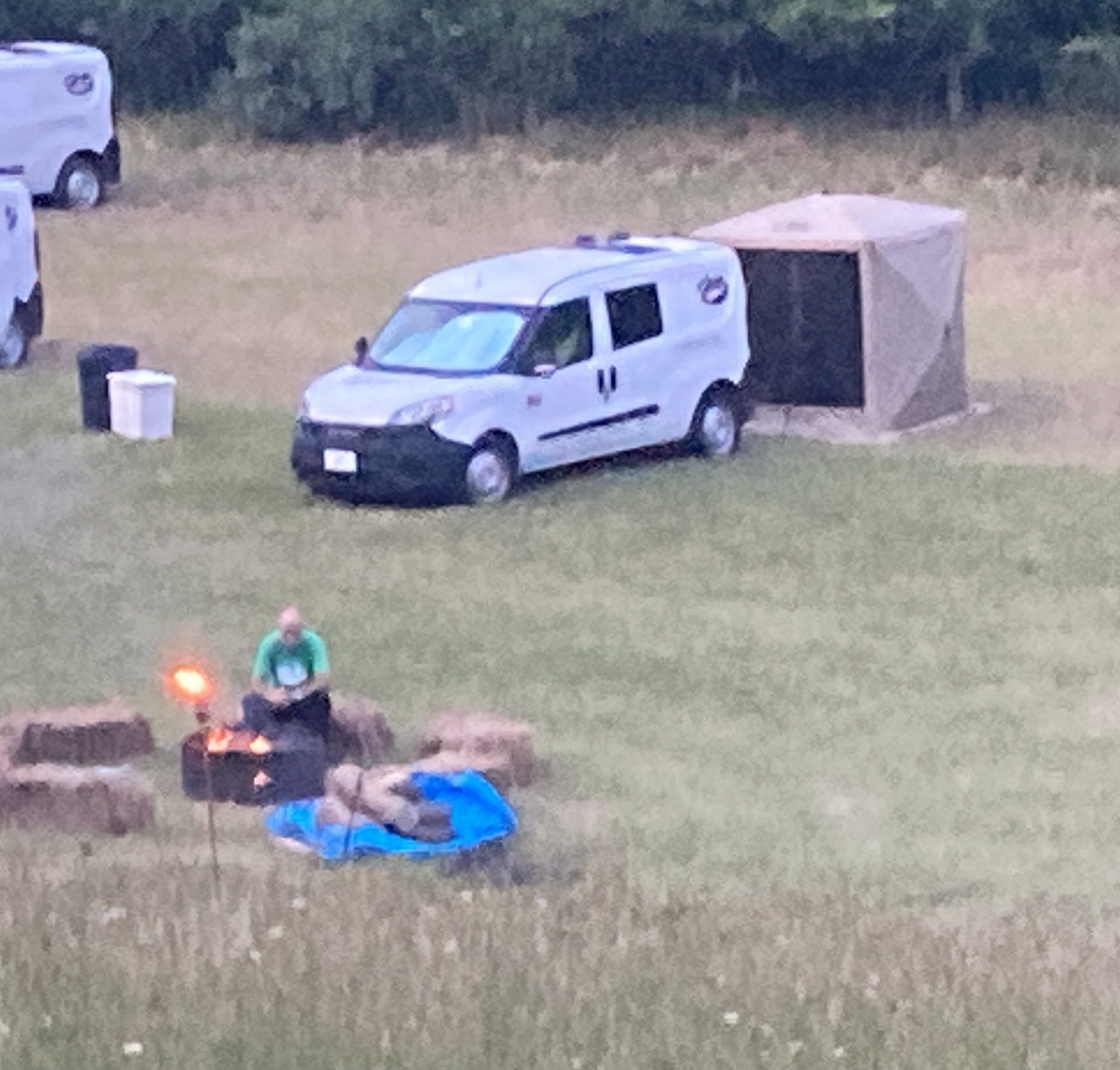
I’ve been thinking a lot about upcoming weekend trips in my Cascade camper van to remote locations with no WiFi or hot spots available. Let’s say I’m boon-docked overnight at a beach or safely parked at some Cracker Barrel restaurant off Interstate 40. How can I watch YouTube videos, Netflix movies, the next Chosen episode or Amazon Prime without squinting both eyes 👀 at a petite iphone screen? Or needing to wear reading glasses while online streaming?
I take my iPhone everywhere with all its apps loaded for route navigation, free parking spots, iTune songs playing on van speakers, phone calls, plus camera/video usage.
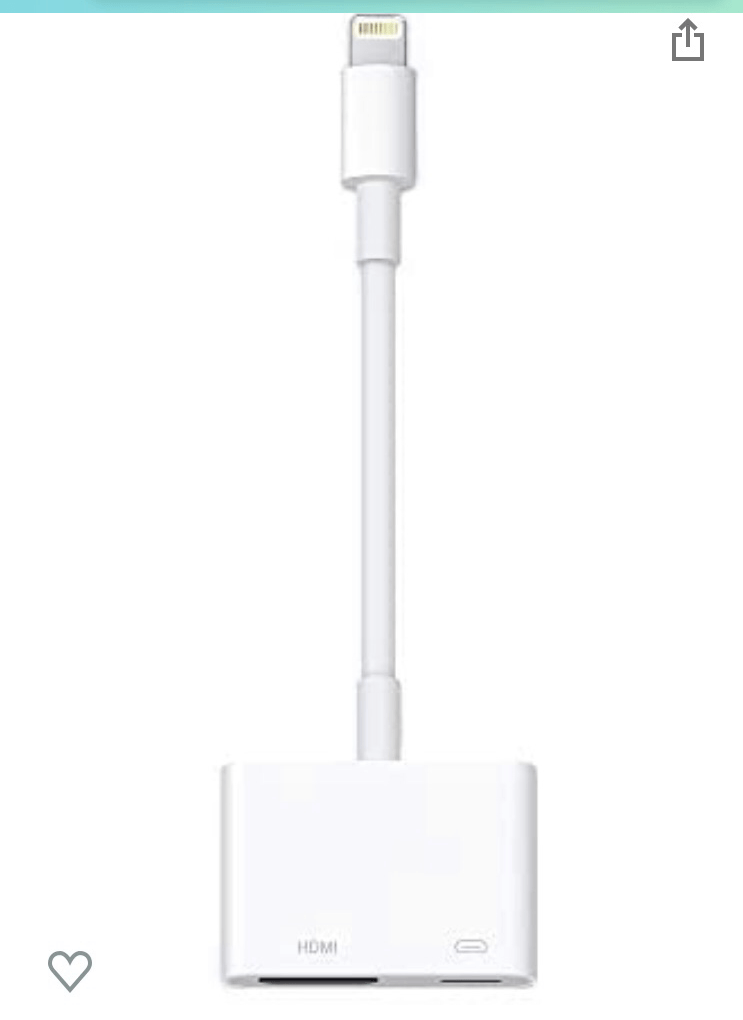
Accessing neurons that remain from years of programming, I used the left side of my brain & found a solution after 30 minutes of online research. I needed a Digital AV (audio visual) adapter for my cell phone.
If you have an Android phone like Samsung, you will need to research for yourself, a similar solution. I can’t help you because I don’t own Android devices and have no way to test them. For $42, I bought the official Apple lightning to digital AV adapter. Past experiences have shown that Apple certified products work better with no signal degradation compared to cheap knockoff lightning cables and adapters.
Today, I drove to a construction area with no Internet, or WiFi connectivity. Only thing I had in the van was my Apple 8 iPhone (iOS version 14.6), HDMI cable, and my unlimited Spectrum cell phone coverage.
I used my iPad to make a short YouTube video inside my van. My iPhone 8 fell off its holder and I had to abruptly quit filming. I could not record the video again due to storage limitations on the older iPad device.
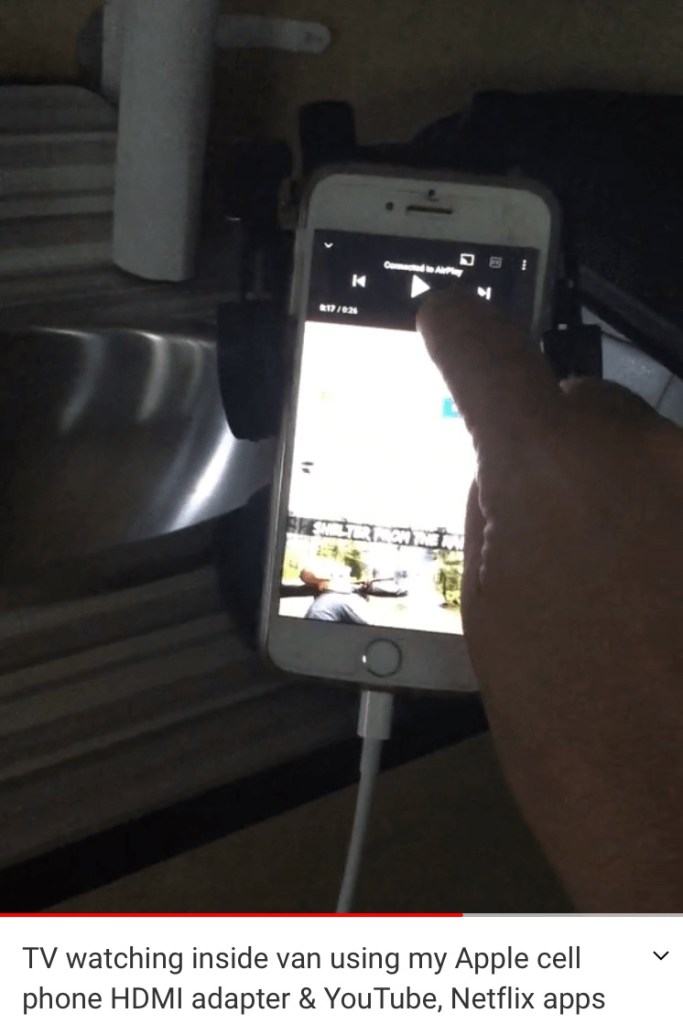
https://youtu.be/D0FEMUbnhOI – LG TV connected to my Apple iPhone video
After Thoughts…
I know $42 is a hefty price to pay for the certified Apple digital AV adapter, not to mention the HDMI cable you will need to stream audio and video from an Apple cell phone to a TV or computer monitor (if it has HDMI connections). There are more affordable, knock-off adapters for half the price.
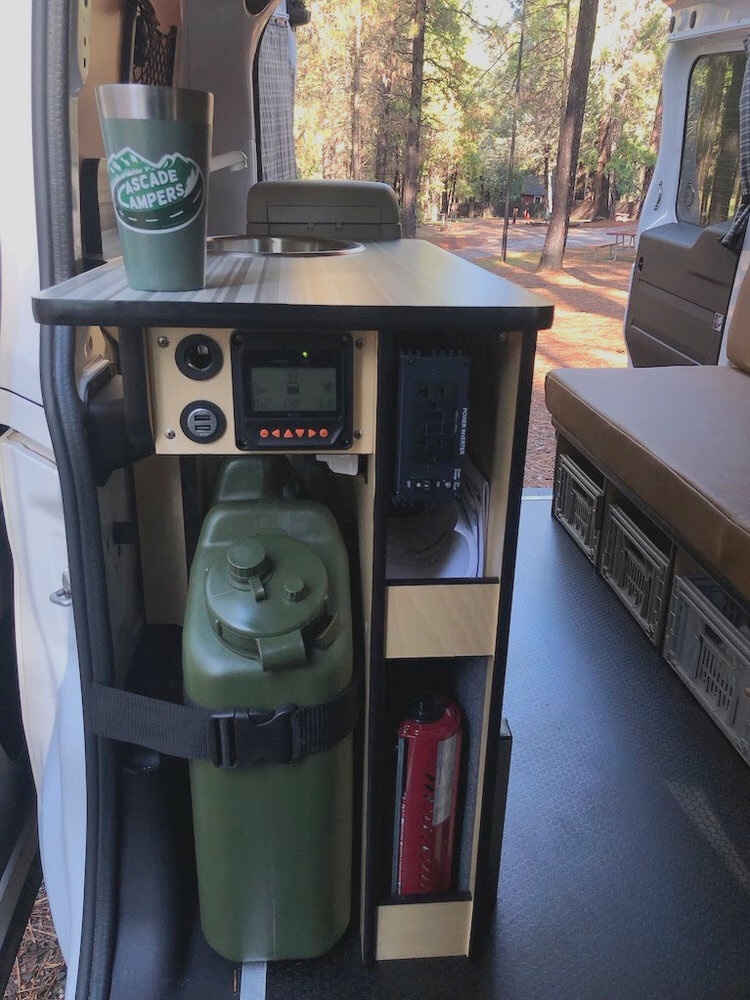
Cascade camper van
I’m not too happy that my 400 watt inverter fan was constantly running the entire time my LG television was turned on! The Cascade installed, inverter fan is noisy operating AC devices, making it difficult to hear the audio sound. This is the first time I have used an A/C outlet on the van’s power station after I blew a fuse plugging in a small, electric heater in November 2020. I had a senior moment and forgot that Cascade installers (Zach, Ilsa) warned me about power loss when the 400 watt inverter uses DC battery power to operate AC devices. You lose up to 30% capacity during the power conversion, even on a fully charged lithium battery! That’s why the fan on my space heater worked fine until I turned the setting to low heat on a 300 watt space heater. After a few seconds, it blew a fuse.
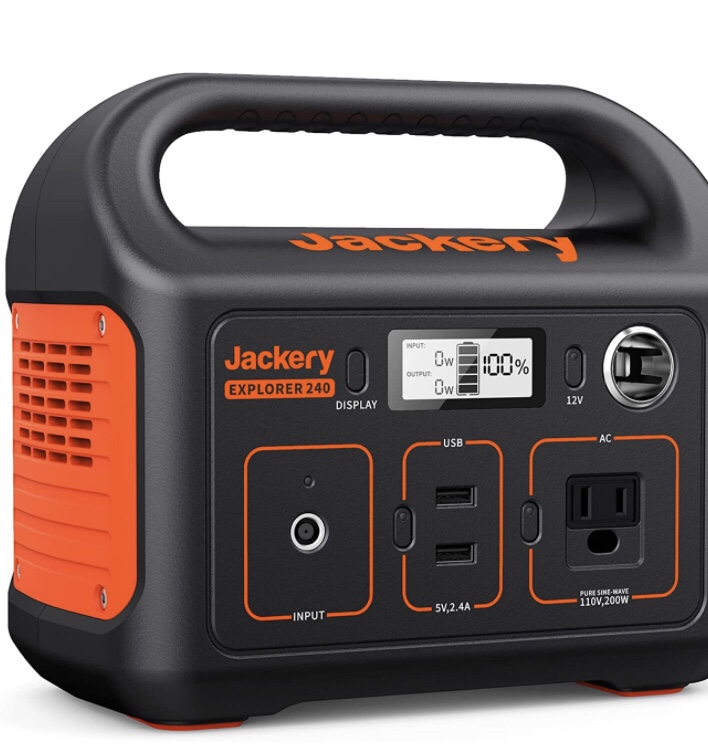
Quiet, portable battery power station for AC devices. The little Jackery’s are silent with no fan noise, at least my Jackery 240 has proven to be operating quietly.
On the Cascade Camper Van Owners forum, I remember reading about people using portable Jackery’s that are QUIET. This one costs approximately $199 & holds 240 watts of power on a full battery charge and weighs only 6 pounds! Jackery’s are lightweight lithium battery packs to power low wattage devices like cell phones, tablets, LED lamps and electric blankets. Using Jackery’s power consumption formula (Working time = 240Wh* 0.85 / operating wattage of your device), I should get 6.8 hours of TV (monitor) watching on my LG 22” TV that consumes 30 watts of power per hour. Jackery also has a disclaimer stating: “The duration of our equipment is based on laboratory data, and the duration of specific equipment usage may vary”.
I fully charge my 240 watt Jackery at home before hitting the road. And recharge the Jackery at a campsite using an extension cord if shore power exists or plug it into my 100 watt solar panel for recharging. Most campers use shore power for their TVs. You often see them sitting outside watching favorite movies. However, in remote areas, you will need a gas generator or rechargeable battery pack to power your electronic devices.
 Micro Van Life